
5 Hidden Costs of Renting a Car in Dubai (And How a GMC Rental Avoids Them)
Dubai rental listings rarely show you the real number. The price on the search results page is a starting point, not a total – and by the time you’re standing at the counter signing paperwork, that “AED 250/day” deal has usually grown a few unwelcome extras.
None of this is illegal. It’s just how a lot of agencies structure their pricing: quote low, recover the margin later through fees most renters don’t think to ask about upfront. Once you know where those charges hide, they’re easy to avoid – and choosing the right vehicle class does more of that work for you than most people realise.
Here’s where the money actually goes, and why renters who book a GMC tend to walk away paying closer to the number they were quoted.
1. Mileage Caps That Punish You for Actually Using the Car
Most economy and mid-range rentals cap you at 200–250 km a day. Sounds generous until you factor in a Dubai–Abu Dhabi round trip, a desert drive to Hatta, or just a week of hotel-to-mall-to-meeting traffic. Go over, and you’re billed per extra kilometre – often at a rate that turns a “cheap” rental into the most expensive part of the trip.
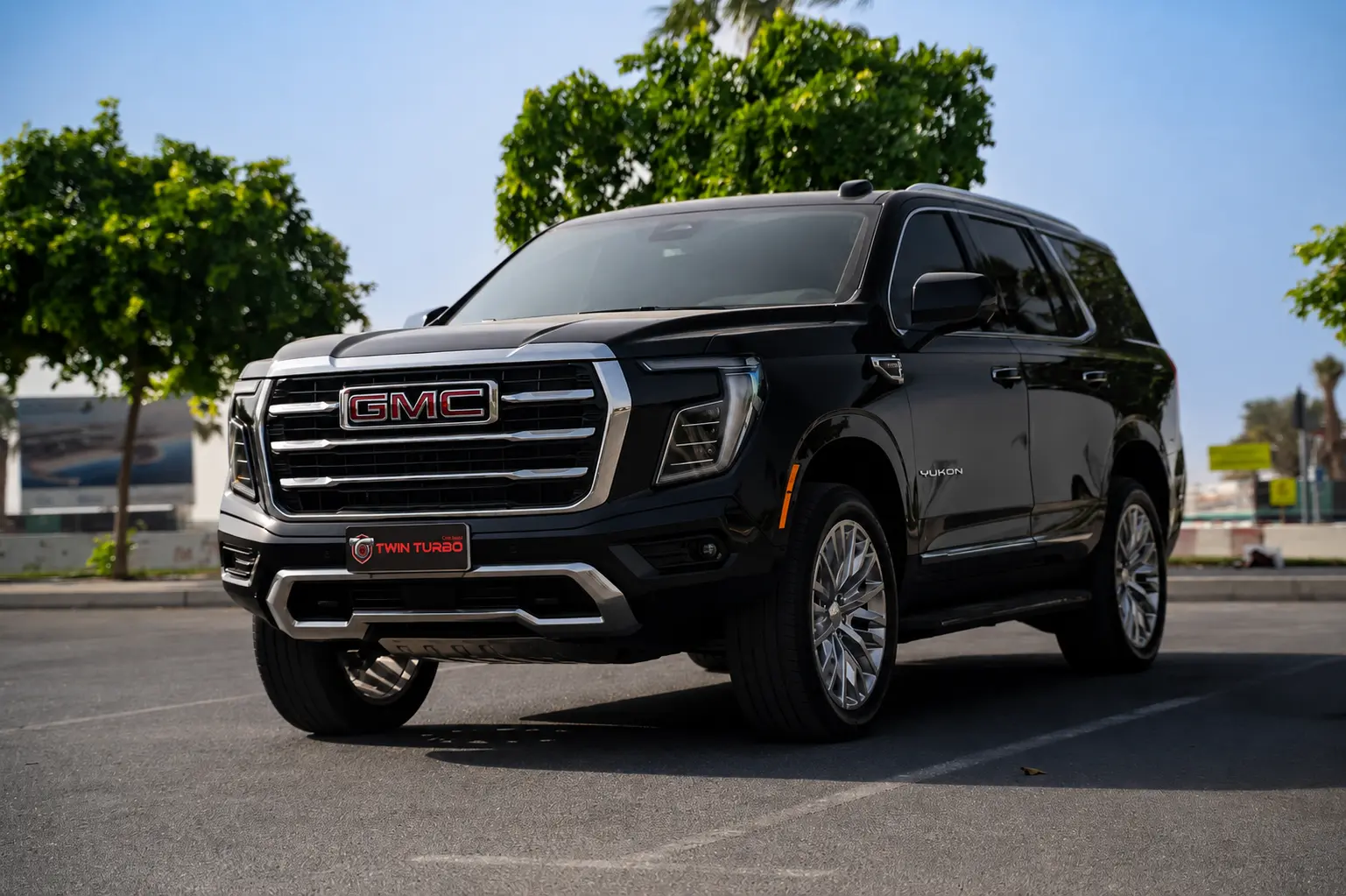
This is where the vehicle class matters more than people expect. A GMC Yukon car rental is built for exactly this kind of movement – long highway stretches, full-size comfort, and rental terms that typically come with higher or unlimited mileage allowances because the car is designed for real distance, not city hops. If your trip involves any serious driving, ask about the mileage terms before the daily rate, not after.
2. Insurance Excess That Only Shows Up After a Scratch
Basic insurance is usually bundled into the quoted price. What’s not obvious is the excess – the amount you’re personally liable for if anything happens, from a parking scrape to a cracked bumper. On smaller or older fleet cars, that excess can run into the thousands of dirhams, and agencies aren’t always upfront about it until you’re reading the contract.
Newer, well-maintained fleets tend to carry better default coverage, partly because insurers price them more favourably. Whether you’re arranging a GMC Terrain car rental for city driving or looking to hire a GMC Terrain for a family trip, ask specifically what the excess is and whether comprehensive cover is included – not just “insured,” but what that word actually protects you from. Twin Turbo lists this clearly in its car rental policy, which is worth reading before you book anywhere, not just here.
3. Fuel Policies Designed to Cost You Twice
“Full to full” sounds fair. In practice, a lot of agencies use “full to empty” or charge a flat refuelling fee regardless of how much fuel is actually missing – meaning you could return the car three-quarters full and still get charged as if it were empty. It’s a small line item that adds up fast across a multi-day rental.
Trucks and heavy-duty vehicles are especially exposed here because their tanks are larger, so a bad fuel policy costs more in absolute terms. If you’re arranging a GMC Sierra HD car rental or planning to hire a GMC Sierra HD car rental for work or towing, confirm the fuel policy in writing before you drive off – not verbally at the counter.
4. “Premium” Add-Ons That Should Already Be Standard
Child seats, GPS, additional drivers, delivery to your hotel – these get itemised as add-ons by agencies working with tighter margins on the base rate. On paper, each one looks minor. Stacked together, they can add 15–20% to your total bill.
This is one area where booking a proper full-size SUV or truck actually saves you money indirectly. If you’re comparing a GMC Sierra Denali in Dubai against a smaller vehicle you’d need to upgrade mid-trip, factor in that upgrade cost – it rarely works out cheaper than booking the right vehicle from the start. Renters who hire a GMC Sierra Denali car rental for a week-long stay usually find delivery and basic extras are already folded into the service, rather than billed separately.
5. Late Return and Early Collection Penalties
This is the fee that catches even careful renters off guard. Return the car two hours late because your flight was delayed, and some agencies will charge you for a full extra day – not the two hours you actually used. It’s rarely explained clearly at booking, and it’s rarely negotiable once you’re past the grace period.
Trip length changes are common with bigger vehicles, since a GMC Sierra 1500 car rental or a GMC Acadia for rent in Dubai often gets booked for exactly this kind of flexible, multi-stop itinerary – site visits, family logistics, moving people and gear across the city over several days. Before you book, ask what the grace period actually is, and get it in writing. If you know your plans might shift, say so upfront; a rental agency worth using will build that flexibility into the agreement rather than penalising you for it later.
The Real Fix Isn’t Reading Every Contract Line – It’s Booking Somewhere Transparent
You shouldn’t need a magnifying glass to figure out what a rental actually costs. The agencies worth using state their mileage terms, insurance excess, fuel policy, and return grace period upfront, before you’ve handed over a deposit.
Twin Turbo’s GMC fleet – from the Yukon and Acadia through to the Sierra HD, Sierra Denali, Sierra 1500, and Terrain – is priced with those terms disclosed from the first quote, not buried in a contract you sign at the counter. Browse the full luxury and sports SUV lineup, check the rental policy for yourself, or get in touch directly for a same-day quote – the kind with no follow-up surprises attached.
![Don’t Make a Mistake: Hatchback vs Sedan vs SUV [2026 Guide]](https://twin-turbo.net/wp-content/uploads/2026/10/Hatchback-Sedan-and-SUV-Guide-600x400.webp)
